Discovering All About Oil Paintings: A Guide to Understanding Their Charm and Value
Oil paints have mesmerized target markets for centuries, offering a glimpse into the creative mastery of various periods. Their abundant background is linked with innovative techniques and extensive psychological expression. Comprehending the materials and techniques behind these art work can improve appreciation. Furthermore, the marketplace for oil paintings offers chances for collection agencies and capitalists alike. As one explores this interesting world, the concern arises: what makes an oil paint genuinely important?
The Background of Oil Painting: A Journey Through Time
Although oil painting has origins that go back to old times, it absolutely flourished throughout the Renaissance, when musicians found its flexibility and abundant color possibility. Early examples can be traced to the 7th century, with strategies advancing especially across societies. The medium came to be prominent in Northern Europe in the 15th century, especially with the works of musicians like Jan van Eyck, who pioneered its usage for detailed realism and vibrant hues. This period noted a separation from tempera paints, permitting better depth and texture. As oil painting spread, it influenced countless artists, bring about work of arts by renowned figures such as Leonardo da Vinci and Rembrandt. The medium's legacy continues, forming the art globe well into modern-day times.
Comprehending Oil Repaints: Materials and Techniques
As musicians explore the globe of oil paints, they run into a diverse variety of products and strategies that specify this medium. The primary components of oil paint consist of pigments, which provide color, and drying out oils, such as linseed, that bind the pigments and promote application. Various additives can modify the paint's structure and drying out time, enhancing versatility. Methods like glazing, where transparent layers are accumulated, and impasto, which entails using thick paint, permit different visual results. Additionally, making use of brushes, scheme blades, and even fingers can produce special appearances and finishes. Comprehending these strategies and products enables artists to completely reveal their creative thinking and attain the preferred effect in their art work.
The Role of Shade in Oil Paints
Color plays a critical role in oil paints, affecting both aesthetic allure and emotional resonance. Understanding shade concept fundamentals, including the relationships in between colors, can improve an artist's capacity to communicate mood and atmosphere. Furthermore, grasping shade mixing strategies permits higher deepness and richness in a paint's scheme.
Color Concept Basics
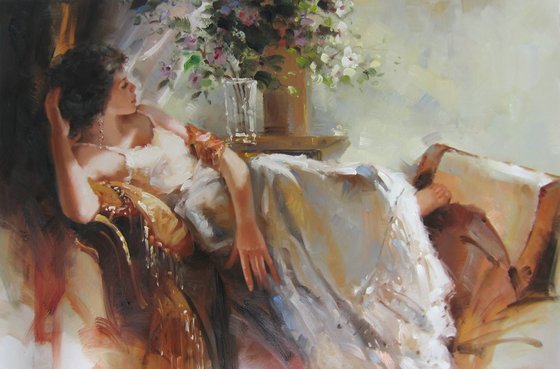
Understanding shade concept is essential for artists collaborating with oil paints, as it develops the structure for producing aesthetically engaging and unified structures. Color theory encompasses the study of how shades engage, the shade wheel, and the connections between primary, secondary, and tertiary shades. Musicians use complementary colors to boost contrasts and produce centerpieces, while analogous shades advertise unity and cohesiveness within a piece. Additionally, the concepts of cozy and awesome shades affect the understanding of depth and space in a paint. Comprehending these principles permits musicians to manipulate shade successfully, leading the viewer's eye and connecting their designated message. Mastery of shade theory eventually enhances an artist's capacity to communicate emotions and concepts through their job.
Emotional Influence of Color
The emotional influence of shade in oil paintings plays an important role in just how audiences regard and link with artwork. Shades evoke specific sensations and state of minds, influencing the visitor's mood. As an example, cozy tones like oranges and reds can develop a sense of heat and energy, while great tones such as blues and greens usually evoke peace or self-contemplation. Artists strategically select shade combinations to enhance narrative aspects, guiding the audience's emotional trip. The saturation and comparison of shades better amplify these effects, drawing interest and producing focus. Eventually, the interplay of shades in oil paintings not just improves their visual charm but additionally works as a powerful medium for emotional expression, enhancing the visitor's experience and analysis.
Shade Combining Techniques
While many aspects of oil paint add to the total composition, mastering shade blending techniques is vital for accomplishing wanted results and depth. Color mixing can be come close to via numerous approaches, consisting of the additive and subtractive processes. Additive blending entails incorporating shades of light, while subtractive blending counts on pigments, where shades blend to produce new shades. Artists often utilize a minimal scheme to develop unified jobs, recognizing the partnerships in between main, additional, and tertiary colors. Techniques such as glazing and scumbling better boost deepness and luminance. By masterfully mixing colors, a musician can stimulate emotions, create prime focus, and attain a sense of realism, eventually elevating the paint's emotional and visual effect.
Famous Oil Painters and Their Iconic Works

Well known for their proficiency of color and technique, oil painters have actually created a few of one of the most well known art work in background. Popular musicians like Vincent van Gogh captivated audiences with his stirring brushwork in "Starry Evening," while Claude Monet's "Perception, Sunup" laid the groundwork for Impressionism. Leonardo da Vinci's "Mona Lisa" stays a long-lasting symbol of creative wizard, showcasing his ability in recording human expression. Rembrandt's "The Evening Watch" illustrates his ingenious usage of light and darkness. Other significant numbers consist of Pablo Picasso, who transformed modern-day art with his vibrant experimentation in works like "Les Demoiselles d'Avignon," and Georgia O'Keeffe, whose lively representations of landscapes and flowers helped define American modernism. Each artist's special design added greatly to the oil painting landscape.
Exactly how to Review the Quality of an Oil Painting
Assessing the high quality of an oil paint entails a mindful analysis of workmanship strategies, along with an evaluation of shade and make-up. Observing brushwork, layering, and the application of paint can disclose the musician's ability degree. In addition, the interaction of shades and the total setup of components add considerably to the painting's visual value.
Assessing Workmanship Strategies
A thorough analysis of craftsmanship strategies is essential for determining the quality of an oil paint. Critics must first analyze the application of paint; thick, textured brushstrokes might suggest a knowledgeable hand, while extremely uniform applications could indicate an absence of depth. oil paintings for sale. The layering technique is also essential; the existence of lusters and varied thickness can boost brightness and complexity. Additionally, the top quality of the materials used, such as the canvas and pigments, plays a substantial function in sturdiness and overall aesthetic. Attention to information in aspects like sides and changes between shades reflects the musician's commitment to their craft. Eventually, these techniques add to the painting's psychological effect and market value, acting as indicators of the musician's skill and intent
Assessing Color and Make-up
While reviewing the high quality of an continue reading this oil paint, one need to concentrate on the interplay of shade and structure, as these components are fundamental to the art work's general impact. Shade choices can stimulate feelings and establish state of mind; for that reason, the musician's palette must be examined for consistency and comparison. A well-balanced make-up directs the customer's eye and creates a feeling of unity. Musicians typically use techniques like the policy of thirds or leading lines to enhance visual passion. Additionally, the usage of light and darkness can add depth, boosting the three-dimensionality of the paint. Ultimately, an effective oil paint marries color and make-up, engaging the visitor and inviting a deeper recognition of the musician's vision and strategy.
Caring for and Preserving Oil Paintings
Appropriate treatment and conservation of oil paintings is important for keeping their honesty and longevity. To safeguard these artworks, it is crucial to present them far from straight sunshine, which can cause fading and discoloration. Maintaining a stable atmosphere with regulated temperature level and moisture further aids in stopping damages. Cleaning should be done gently utilizing a soft, dry fabric, staying clear of any kind of harsh chemicals that might damage the paint or varnish. Normal inspections for signs of degeneration, check such as flaking or breaking, are a good idea. When transporting or storing oil paints, correct extra padding and framework are needed to stay clear of physical damage. Eventually, persistent treatment adds to the aesthetic charm and value of oil paintings in time.
The Marketplace for Oil Paints: Spending and accumulating
Comprehending the market characteristics for oil paints is vital for capitalists and collection agencies alike. The value of these art work is influenced by different elements, consisting of the artist's online reputation, historical value, and present trends. Collection agencies frequently look for pieces that resonate directly while thinking about potential admiration in value. Galleries and public auctions serve as key locations for trading, with prices changing based on need and rarity. Investing in oil paints requires study into the marketplace, as well as an understanding of credibility and provenance. Additionally, arising artists may offer chances for substantial returns, while established names can regulate high prices. Generally, a tactical strategy to collecting can produce both aesthetic enjoyment and economic benefits.
Frequently Asked Inquiries
What Are the Ecological Impacts of Oil Paint Products?
The environmental influences of oil painting products consist of the release of unpredictable organic compounds (VOCs), harmful waste generation, and source removal for pigments. These elements add to air pollution and environmental degradation, elevating issues amongst ecologically conscious musicians and consumers.
Just How Do Different Canvases Influence Oil Painting Outcomes?
Different canvases influence oil painting results substantially. Appearance, surface, and absorbency top quality can change paint application, drying times, and shade vibrancy. Musicians typically pick particular canvases to attain desired impacts and boost their artistic expression.
Can Oil Paintings Be Recovered if Damaged?
If harmed, Oil paints can indeed be brought back. Specialist conservators utilize different strategies to fix tears, clean surfaces, and address staining, ensuring that the artwork maintains its initial elegance and worth for future generations.
What Are the Indications of an Initial Oil Paint?
The signs of an original oil paint consist of visible brush strokes, texture variants, and an irregular canvas weave (oil paintings for sale). Furthermore, authenticity may be confirmed via provenance, signatures, and the presence of a varnish layer distinct to oil tools
Just How Has Modern Technology Influenced Modern Oil Painting Techniques?
Technology has considerably affected contemporary oil paint methods by presenting electronic devices for preparation, improved products for appearance and long life, and on the internet systems for selling and sharing art, thereby expanding artists' imaginative opportunities and target market get to. Oil painting has roots that date back to ancient times, it truly flourished during the Renaissance, when musicians uncovered its adaptability and abundant color potential. The emotional influence of shade in oil paintings plays a critical duty in exactly how customers view and connect with art work. While numerous aspects of oil paint add to the general composition, understanding shade mixing techniques is essential for attaining preferred impacts and depth. Reviewing the top quality of an oil painting involves a mindful evaluation of workmanship strategies, as well as an analysis of shade and composition. While reviewing Click Here the quality of an oil paint, one need to concentrate on the interplay of shade and structure, as these elements are essential to the artwork's total impact.
Comments on “Authentic Still Life and Floral Oil Paintings for Sale”